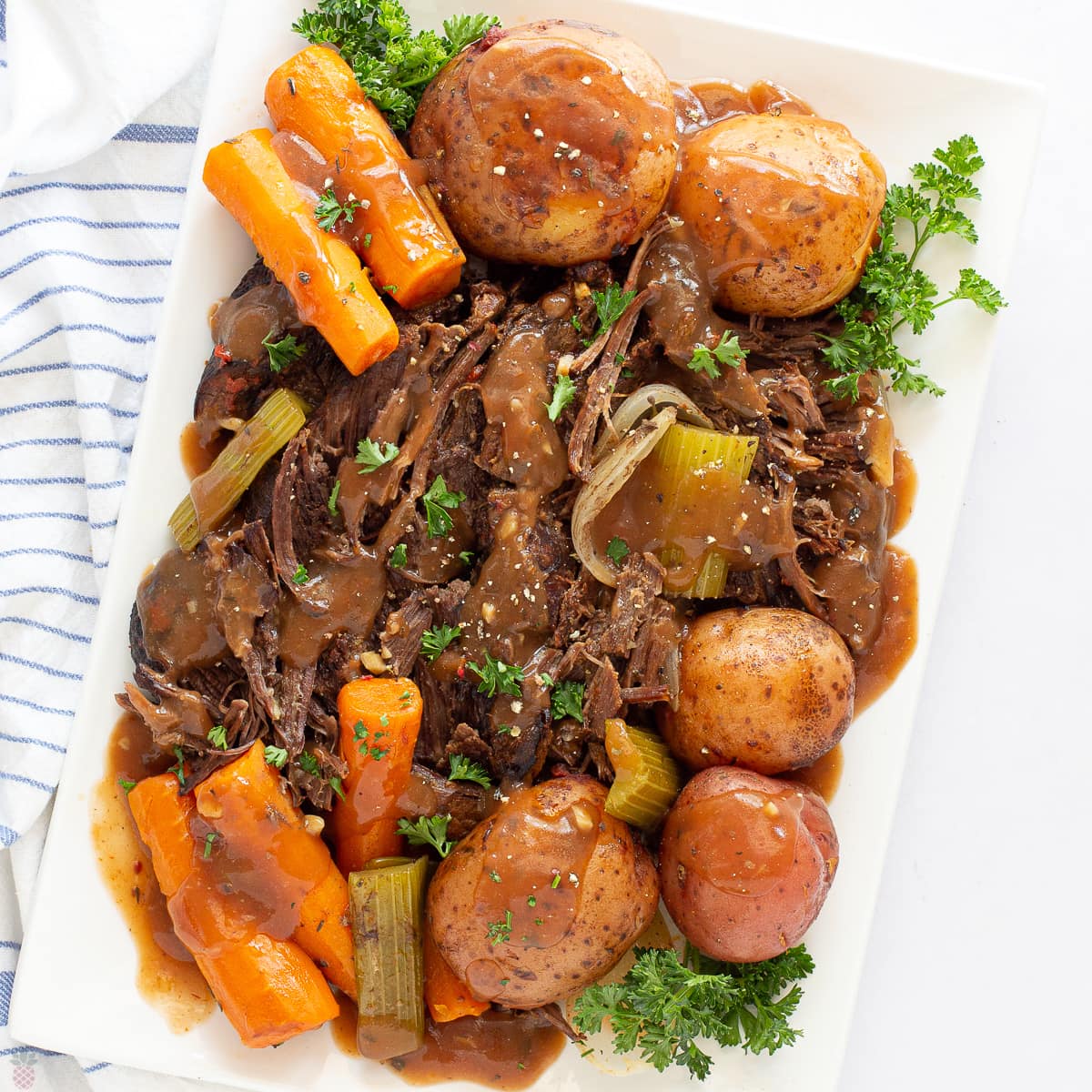
Yankee Pot Roast: A Timeless Embrace of Comfort and Flavor
There are dishes that simply nourish the body, and then there are those that warm the very soul. Yankee Pot Roast unequivocally falls into the latter category. Imagine a chilly evening, the enticing aroma of slow-cooked beef and savory vegetables filling your home, promising a meal of unparalleled comfort. This isn't just dinner; it's an experience, a culinary tradition passed down through generations, rewarding patience with every single, melt-in-your-mouth bite.
At its heart, the yankee pot roast is a testament to the magic of simple ingredients transformed by time and tender care. Fork-tender beef, perfectly cooked root vegetables, all swimming in a rich, deeply flavored gravy – it's the kind of wholesome goodness that brings families together, turning an ordinary meal into a cherished memory. If you’ve ever yearned for that "pure comfort food magic," you’re in the right place. Let's explore what makes this classic so incredibly satisfying and how you can master it in your own kitchen.
The Anatomy of a Perfect Yankee Pot Roast: From Cut to Gravy
Achieving that iconic melt-in-your-mouth texture and savory depth doesn't happen by accident. It's a careful dance of choosing the right ingredients and employing time-honored techniques. Understanding each component is key to culinary success.
Choosing Your Star: The Beef
The foundation of any great pot roast is, of course, the beef. For a yankee pot roast, you're looking for cuts that are inherently tough but rich in collagen and connective tissue. These cuts, when cooked low and slow, break down beautifully, yielding that desirable fall-apart tenderness. The most popular choices include:
- Beef Chuck Roast: Often labeled as chuck eye, blade, or shoulder roast, this is the reigning champion for pot roasts. Its marbling and connective tissue render it incredibly flavorful and tender when braised.
- Beef Round Tip Roast: A leaner option than chuck, but still suitable for slow cooking. It benefits from thorough searing and sufficient braising time to ensure it doesn't dry out.
Regardless of the cut, aim for a 2-4 pound roast, which typically serves 4-6 people generously.
The Aromatic Symphony: Vegetables and Herbs
Beyond the beef, the supporting cast of vegetables and aromatics contributes significantly to the pot roast's signature flavor profile and visual appeal. Classic additions include:
- Onions: Sliced or diced yellow onions caramelize beautifully, adding a foundational sweetness and depth. Pearl onions are also a fantastic, traditional choice for an elegant touch.
- Carrots: Peeled and cut into substantial chunks (about 2-inch pieces) so they don't turn to mush during the long cooking time.
- Celery: Diced or cut into 2-inch pieces, celery adds a subtle earthy and aromatic note.
- Garlic: Minced cloves infuse the liquid with pungent, savory goodness.
- Herbs & Spices: Fresh rosemary, thyme, and a bay leaf are traditional and highly recommended for their fragrant contribution. A pinch of whole allspice berries, as some classic recipes call for, can add a warm, complex undertone.
These vegetables not only absorb the rich cooking liquids, becoming incredibly flavorful themselves, but they also release their own juices, contributing to the ultimate gravy.
The Liquid Gold: Braising Liquid and Gravy
The braising liquid is where much of the magic happens. It tenderizes the meat, infuses it with flavor, and ultimately becomes the soul of your gravy. A typical liquid base includes:
- Dry Red Wine: A medium-bodied red wine like Merlot or Cabernet Sauvignon adds incredible depth, acidity, and a touch of fruitiness. It's a common ingredient in modern pot roasts for good reason.
- Beef Broth/Stock: High-quality beef broth or stock forms the bulk of the liquid, providing a rich umami base.
- Tomato Paste: A tablespoon or two of tomato paste can add another layer of savory depth and a touch of sweetness, enhancing the overall richness of the gravy.
Later, this flavorful liquid is transformed into a luxurious gravy, thickened usually with a cornstarch slurry, creating that perfect consistency to coat every piece of meat and vegetable.
Mastering the Techniques: Essential Steps for Success
While the yankee pot roast embodies simplicity, a few crucial techniques elevate it from good to truly unforgettable. These steps ensure your roast is consistently tender, juicy, and packed with flavor. For a deeper dive into mastering these techniques across various kitchen appliances, check out our guide on Fork-Tender Yankee Pot Roast: Best Methods for Any Kitchen.
The Non-Negotiable Sear: Browning for Flavor
This is arguably the most critical step. Before any braising begins, you must take the time to thoroughly brown your roast on all sides. This process, known as the Maillard reaction, creates a deeply flavorful crust and adds rich color to the meat. It should take a good 15-30 minutes, even longer for a larger roast.
Tip: Pat your beef dry with paper towels before seasoning. Moisture on the surface prevents effective browning. Use a heavy-bottomed pot, like a Dutch oven, and ensure the oil is shimmering hot before adding the meat. Don't crowd the pot; if necessary, brown in batches.
The Mantra: Low and Slow
The secret to achieving that coveted fork-tender texture lies in patience. Resist the urge to crank up the heat. Cooking low and slow, whether in an oven, slow cooker, or Instant Pot, allows the tough collagen in the meat to gradually break down into gelatin. This process not only tenderizes the meat but also keeps it incredibly moist and juicy. For optimal results, maintaining a gentle simmer is key.
Building Layers of Flavor
Once the beef is seared, the flavor building continues. Sautéing the onions, carrots, celery, and garlic in the rendered beef fat and olive oil creates another layer of savory goodness. Deglazing the pot with red wine after sautéing helps release all the flavorful browned bits (fond) from the bottom of the pan, incorporating them into your braising liquid.
Perfecting the Gravy
After the roast is cooked and resting, the flavorful braising liquid awaits transformation. For a leaner gravy, use a ladle or spoon to skim off any excess fat that has risen to the surface. Then, bring the liquid to a simmer and whisk in a cornstarch slurry (cornstarch dissolved in a small amount of cold water). Whisk continuously until the gravy thickens to your desired consistency. Season with salt and pepper to taste.
Choosing Your Cooking Method: Tradition Meets Modern Convenience
The beauty of a yankee pot roast is its versatility. While traditional stovetop-to-oven braising remains a favorite, modern appliances offer fantastic alternatives.
The Classic Dutch Oven (Stovetop to Oven)
This method truly embodies the traditional spirit. After searing the beef and sautéing the aromatics on the stovetop, the entire Dutch oven goes into a preheated oven (typically around 325-350°F / 160-175°C) for several hours. The heavy, even heat distribution of a Dutch oven and the steady temperature of the oven ensure a consistent, moist cooking environment, preventing a scorched bottom and yielding a beautifully tender roast. This method usually takes 3-4 hours, with about 35 minutes of hands-on prep.
The Set-It-and-Forget-It Slow Cooker
For ultimate convenience, the slow cooker is a game-changer. After searing the roast and preparing your braising liquid (you can even sauté the aromatics in a separate pan first), transfer everything to your slow cooker. Cook on LOW for 7-8 hours, or until the beef is incredibly tender. This method is perfect for busy days, allowing you to come home to a fully cooked, delicious meal.
The Speedy Instant Pot
If time is of the essence, the Instant Pot (or any electric pressure cooker) delivers impressive results in a fraction of the time. Brown the roast and sauté the vegetables using the "Sauté" function, then add the liquid. Cook on high pressure for 60-90 minutes, followed by a 10-minute natural release. This method dramatically cuts down cooking time without compromising on tenderness or flavor.
Elevating Your Yankee Pot Roast: Tips and Creative Variations
While the classic recipe is sublime, there's always room for personalization. To truly Unlock Perfect Yankee Pot Roast: Essential Tips for Tender Results, paying attention to these details makes all the difference:
- Rest Your Meat: Once cooked, remove the roast to a cutting board and let it rest for at least 10-15 minutes before slicing. This allows the juices to redistribute, resulting in a more succulent piece of meat.
- Vegetable Swaps: Don't be afraid to experiment! Replace some potatoes with sweet potatoes for a touch of sweetness, add mushrooms for an earthy depth, parsnips for a peppery note, or even bell peppers for color and flavor.
- Liquid Alternatives: Instead of red wine, try using a dark beer or stout for a robust, malty flavor. If you prefer to avoid alcohol, simply substitute with extra beef stock. A splash of balsamic vinegar or Worcestershire sauce can also add complexity.
- Spice It Up: Experiment with different spice blends. Smoked paprika, a hint of bay leaf, or even a touch of chili powder can add intriguing layers of flavor.
- Serving Suggestions: While the vegetables cooked alongside are a meal in themselves, a side of creamy mashed potatoes, crusty bread to sop up the gravy, or even some roasted Brussels sprouts make excellent accompaniments.
Conclusion: The Enduring Appeal of Yankee Pot Roast
The yankee pot roast isn't just a recipe; it's a culinary legacy. It embodies the art of transforming humble ingredients into something truly extraordinary through patience and care. From the initial sizzling sear to the final spoon of rich, savory gravy, every step contributes to a dish that delivers unparalleled comfort and flavor. Whether you choose the traditional Dutch oven, the convenient slow cooker, or the speedy Instant Pot, mastering this classic will undoubtedly earn you rave reviews and create lasting memories around your dinner table. So, gather your ingredients, take your time, and prepare to savor the pure magic of this timeless comfort food.
